
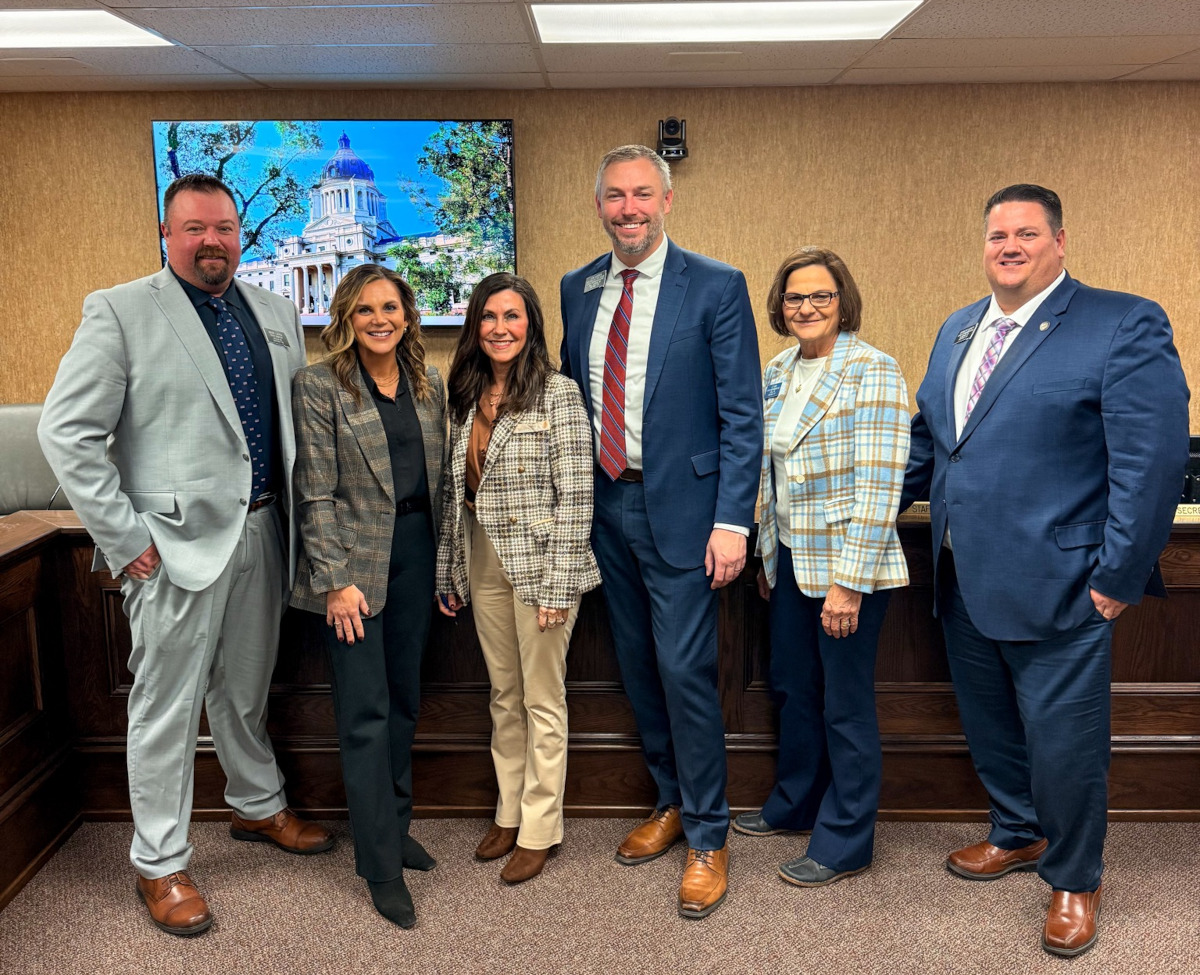
By Rep. Liz May, District 27
We don’t always do big things in Pierre. We debate. We posture. We pass small fixes around the edges.
But the failure of HJR 5001 was not small. It was one of the most consequential mistakes made in my years serving in the Legislature.
HJR 5001 would have given the citizens of South Dakota the opportunity to vote on constitutional protections for private property rights. Not a statute. Not language that can be rewritten with a future amendment. A constitutional protection — clear, durable, and placed in the hands of the people.
Instead, we blinked.
To understand why that matters, you have to understand how we got here.
In 2022, before 160 lawsuits became reality, Representative Spencer Gosch brought HB 1331 forward because he saw what was coming.
There was no packed committee room. No organized coalition. No parade of witnesses.
The only proponent testimony was Representative Gosch himself.
The only opponent was an attorney representing Summit Carbon Solutions.
That was the entire record.
During the floor debate this week, I heard references to being “on the front line” of this fight.
That phrase deserves clarity.
In 2022, when HB 1331 was heard in committee, the front line was a small room with a single proponent — Representative Gosch — presenting the bill and answering questions. The only opposition came from legal counsel representing Summit Carbon Solutions.
That was the moment when language could have been strengthened. That was when the record was being built. That was when early action could have prevented what followed.
The front line is not hindsight.
It is not a floor speech after events have unfolded.
It is the committee room — when the outcome is uncertain and the opportunity to prevent harm is still within reach.
Leadership shows up early.
And the damage did come.
More than 160 lawsuits were filed against South Dakota landowners.
One hundred and sixty families opening certified letters at their kitchen tables. Landowners calling attorneys instead of managing their property. Retirees dipping into savings to defend land that had been in their families for generations. Sleepless nights. Uncertainty. Stress no family should endure simply to protect what they already own.
That did not happen in isolation.
The failure of HB 1331 cleared the path for SB 201.
Process matters. When a bill dies quietly in committee, it creates space. It signals something. And that space gets filled.
If you do not understand how we moved from HB 1331 to SB 201 — and then scrambled to reverse SB 201 with HB 1052 — I encourage you to study the sequence that led us to HJR 5001.
These votes are connected.
Statutory fixes are temporary.
As necessary as HB 1052 was, statutes can always be changed. What one Legislature corrects, another can undo. Political majorities shift. Interests reorganize. Language evolves.
If anyone believes HB 1052 is permanent protection, they are mistaken.
HJR 5001 would have placed this issue beyond shifting alliances and quiet amendments. It would have placed protection where it belongs — in the Constitution and in the hands of the people.
Instead, we were told it was “too dangerous” to open the Constitution.
Too dangerous?
When is it not? Do we wait until the next Summit comes rolling in? Do we wait until another round of lawsuits forces families back into court? Do we wait until statutory language is altered again and we are once more reacting instead of leading?
Calling constitutional protection “dangerous” is not prudence. It is postponement.
Some have dismissed concerns about future changes as conspiracy theories. That is a convenient way to defend a no vote. But there is nothing conspiratorial about understanding how the legislative process works. Statutes change. Majorities shift. History repeats.
There is also the claim that this language would trigger lawsuits — that placing protections in the Constitution would create legal instability.
This language has already been adopted in North Dakota — nearly word for word.
It has been tested.
And it has not unleashed a wave of litigation.
If constitutional protection automatically created chaos, North Dakota would be the case study. It is not.
South Dakota is not so uniquely fragile that what works in North Dakota would somehow fail here.
If private property rights rise to the highest level of protection — and they should — then placing them in the Constitution is not reckless. It is responsible.
And I cannot think of anything more democratic than allowing the citizens of South Dakota to vote on whether they want that protection made permanent.
We trust voters to elect governors, legislators, sheriffs, and judges. We trust them with tax policy and constitutional amendments of every kind. Why would we fear trusting them with this one?
HJR 5001 was not about credit.
It was about certainty.
And here is the uncomfortable truth: if some believe it is “never the right time” to open the Constitution, then we need to be honest about what that means.
Because if now is too dangerous… if after 160 lawsuits is too soon… if after years of debate and reversal is still too risky… then when exactly will the time ever be right?
History suggests the answer is: never.
If the Constitution is always too fragile to touch, then landowners should prepare for the cycle to continue. Prepare for statutes to change again. Prepare for future legislatures to revisit language. Prepare for the next corporation, the next project, the next legal battle.
Because statutory protection is only as permanent as the next vote.
Constitutional clarity would have ended the uncertainty.
The storm did not surprise those who were paying attention. It unfolded step by step, bill by bill, lawsuit by lawsuit.
We were given the opportunity to place private property rights beyond political tides and shifting majorities.
We chose not to.
The land will still be here.
The question is whether we will ever summon the courage to protect it at the level it deserves — or whether we will continue telling landowners to wait for a “safer” moment that never comes.
South Dakota landowners deserve more than promises.
They deserve permanence.